Pick a file manager build for this computer
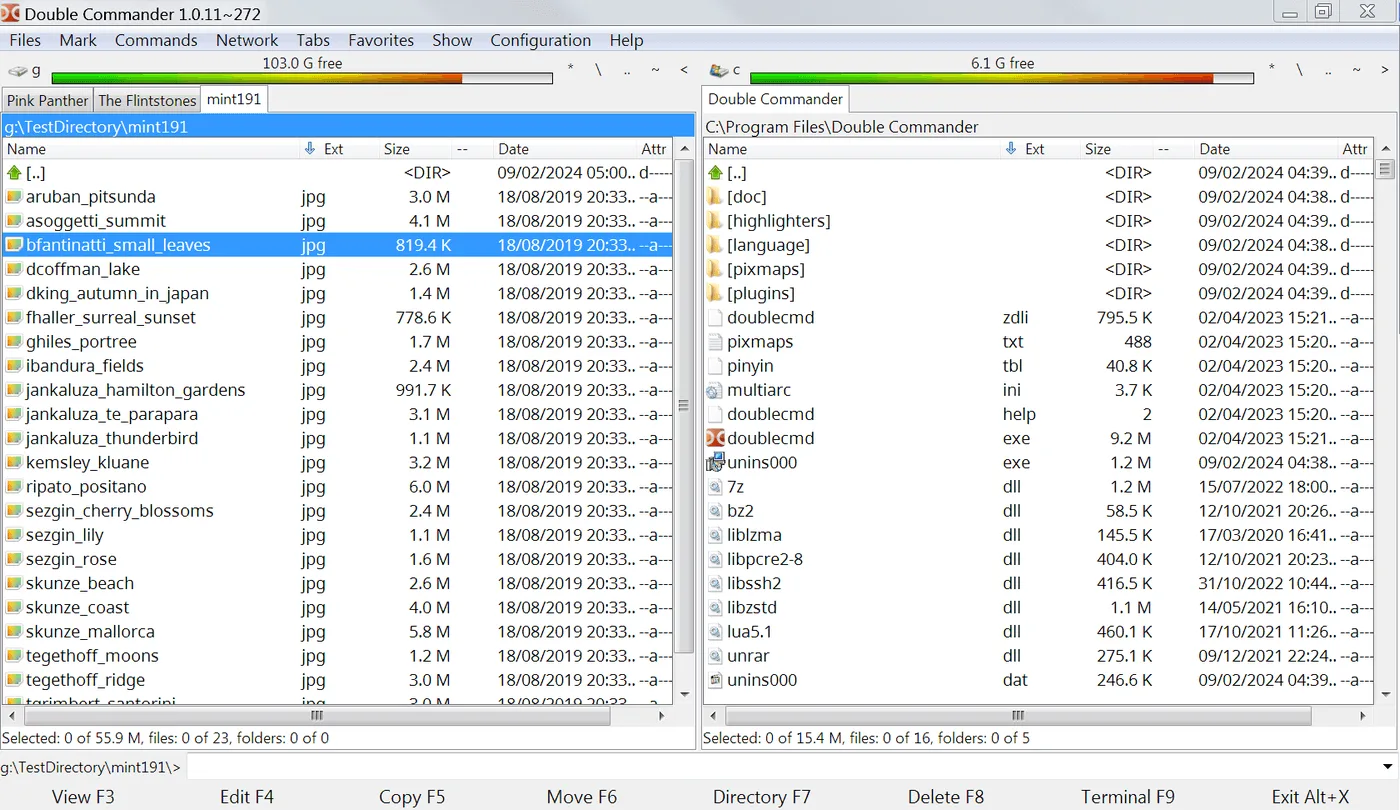
Start with the operating system you are staring at, then pick the Double Commander asset that matches. This page is the chooser for a dual-pane file manager install that stays on GitHub Releases (or the verified Homebrew cask on macOS).
Windows chooser
Windows 64-bit: download doublecmd-*-x86_64-win64.exe unless your org requires MSI. Use the portable zip when you cannot run an installer. Skip win32 assets on 64-bit PCs. Full steps: Windows install.
macOS chooser
macOS Apple Silicon: cocoa aarch64 DMG or brew install --cask double-commander. Intel Macs take the x86_64 cocoa DMG or the same cask. Full steps: macOS install.
Linux chooser
Linux x86_64: GTK2 tar.xz is the default pick on this guide; Qt6 and Qt5 archives are alternates on the same tag. ARM machines should take the matching aarch64 archive from Releases. Full steps: Linux install.
Virtual machines need the guest OS asset, not the host OS asset. A Windows VM on a Mac still wants the win64 file manager setup. A Linux VM wants the Linux tar.xz.
Shared and locked PCs
Shared family PCs should pick one install style and write it down. Mixing portable zip and MSI on the same profile creates confusing shortcuts. After install, prove one copy between panes before you migrate real project folders.
Locked-down corporate images may block unknown exe files. Ask IT for an allowlist entry that names the official GitHub asset, or use a machine you control. Do not bypass policy with a random file manager portal.
Already using another tool
If you already use Total Commander or Directory Opus at work, compare needs on vs Total Commander before you switch personal machines. The free GPL-2.0 file manager is enough for many dual-pane jobs.
Update door: return to the same Releases tag line or Homebrew cask. Stamp on the home page shows the live current release. First hour checklist: installed.
Related: download safe, releases, switch from Explorer.
Document the install
When you document the install for someone else, write the asset pattern, the repository name, and the proof you expect after install. A note that only says “get a file manager” invites adware. A note that says “doublecmd-*-x86_64-win64.exe from doublecmd/doublecmd Releases, then copy one folder between panes” is actionable.
Survive reimages
Shops that reimage PCs monthly should store the approved asset name in the image wiki. The dual-pane file manager then returns with the same habits after each wipe. Portable zip users should keep the extract folder outside the user Downloads directory so cleanup scripts do not delete the app.
Watch filenames on new tags
If a release renames architectures, re-read the asset list before you script downloads. Filename tokens such as x86_64-win64, cocoa.aarch64, and gtk2.x86_64 are the practical checksum for humans who will not run hashing tools every time. Still prefer official Releases over mirrors that strip those tokens.
Shares and encrypted volumes
Network shares and encrypted volumes behave like any other path inside a dual-pane file manager: open them in a pane, then copy with both sides visible. Prove a small file first when latency is high. Large tree copies deserve a progress glance before you walk away.
- Keyboard-first users should learn pane focus switching early.
- Mouse-first users should resize the split until names are readable.
- Both groups benefit from one favorite path on each side.
Second-hour skills
Archive formats, search tools, and multi-rename are documented upstream. Treat them as second-hour skills. The first-hour bar for this file manager remains two panes and one honest copy. That bar catches wrong binaries faster than feature tours.
Antivirus and classrooms
When an antivirus quarantines the setup, check the filename against GitHub Releases before you restore from a random mirror. If the hash or name matches upstream and your security team allows it, restore that same file. If the name drifted, delete it and download again from Releases.
Teachers and lab managers can keep a known-good installer on an internal share that still originated from GitHub Releases. Record the tag and asset name on the share README. Students then install the same dual-pane file manager without surfing adware SERPs.